

Climate Cuts: Raphael Schanz on Beni Youth (Article)
FILMMAKER INTERVIEW - Hosted by Akosua Owusu-Akyaw


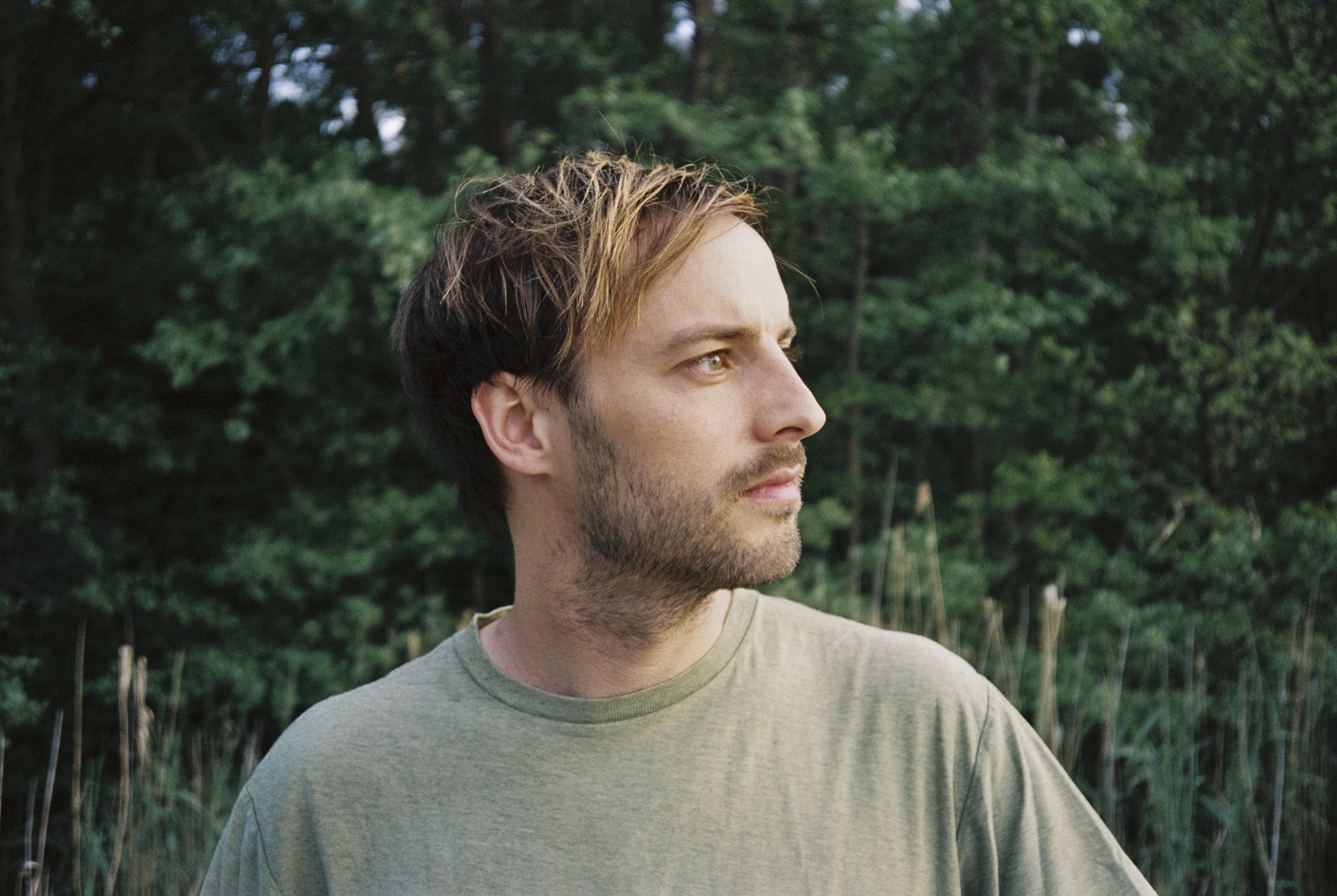
In this episode of Climate Cuts, host Akosua Owusu-Akyaw speaks with Raphael Schanz, director of Beni Youth (2024, co-directed with Philipp Seifert). Some of the topics we discussed include: the global injustice of climate migration, what it takes to earn trust as a filmmaker, and what the young people of Beni taught him about resilience.
Raphael is a Berlin-based documentary filmmaker. Influenced by the tradition of Direct Cinema, his work frequently engages with themes of identity and community and often use character-driven, intimate stories to explore contemporary social questions. Raphael is the co-founder of the production company Panther Reh.
Film Synopsis:
Beni Youth is a documentary by Berlin-based filmmaker Raphael Schanz, co-produced by Panther Reh. Set in the village of Beni, Malawi, the film follows a group of young people who are choosing to stay and fight for their community against the threat of climate change. Through tree planting, community savings, and solidarity, they embody a vision of grassroots climate action rooted in resilience, hope, and a love of home. Their story asks us to reconsider who bears the weight of the climate crisis, and who is already building the world after it.
Beni Youth was screened at the 2025 Climate Film Festival in New York City.
Akosua: What sparked the initial idea for this film, and how did that idea evolve through the filming process?
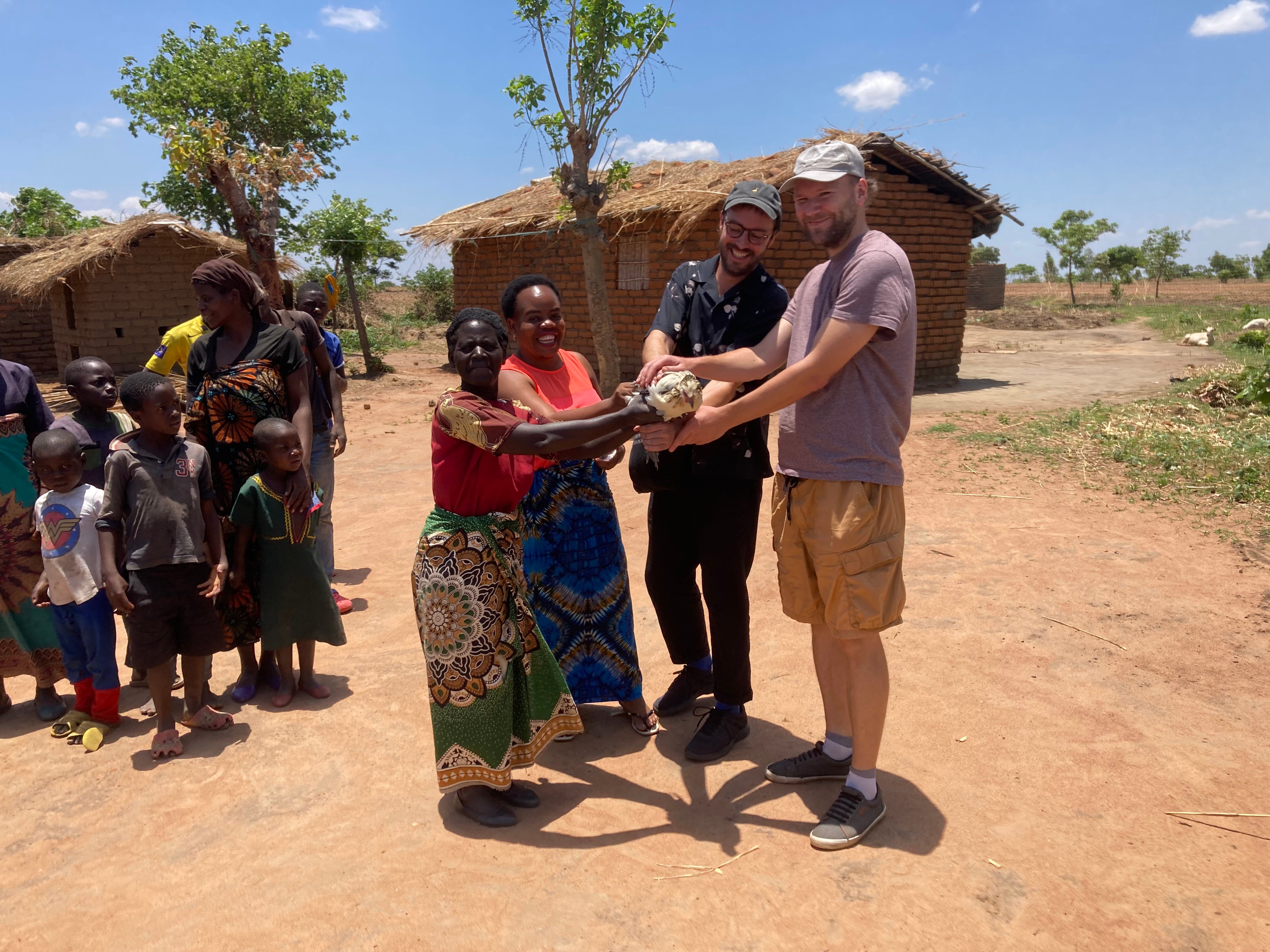
Raphael: The project was commissioned by the Protestant Church in Germany, which wanted to produce educational films about migration. From the start, we didn't want to just present facts or showcase project results. We wanted to tell human stories that stay with you. And we definitely didn't want to repeat the usual narrative of the "poor and helpless African refugee." Instead, we focused on those who stay, people who take action and try to make things better where they are. The young people in Beni truly grew on us. They were changemakers. What began as a commissioned project turned into an intimate, hopeful film about resilience and community.
Akosua: This film explores the reasons behind climate migration and its effects on the communities left behind. What is an important aspect of this issue that you feel is often neglected in broader conversations?
Raphael: We wanted to challenge this persistent idea that "the whole of Africa is coming to Europe." In reality, most displaced people stay in their own country or move to a neighboring one. What's often overlooked is how deeply the climate crisis shapes these movements, and how unfair it is that those who have caused it the least are suffering the most. These are global injustices that play out locally, every day.
Akosua: Can you walk us through the behind-the-scenes journey of making this film? What were some of the key moments or experiences that stood out?
Raphael: We were in a very remote area, and at first, the whole village came out to greet us with songs and speeches. It was overwhelming! It took days to move from that formal level to real, everyday life. They first thought we were like other visitors, that we'd walk around for a day, take a few photos, and leave. But we stayed. We spent time without cameras, just talking and listening. And when the people realized we were genuinely interested in their lives, something shifted. That's when the real film began.
Akosua: The youth and community regeneration are central themes in Beni Youth. What would you like audiences to know about the resilience and potential of these young community members?
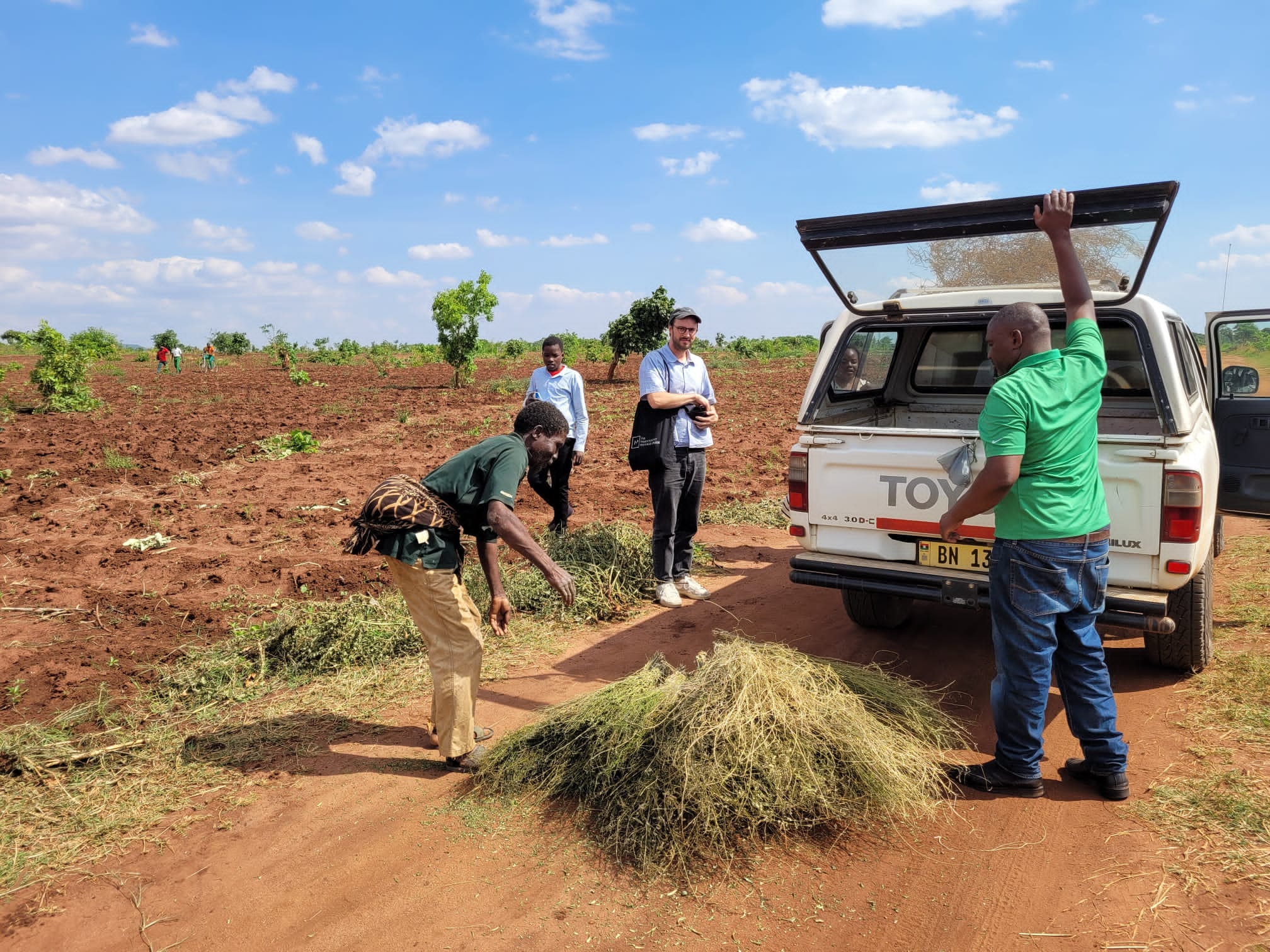
Raphael: The young people we met were incredible, creative, determined, and full of ideas. They embody a new generation who do things differently, who take responsibility for their communities. They're not waiting for help; they're building change themselves. They show that resilience isn't just surviving; it's creating new possibilities where others might have already given up. I think that's something we can all learn from.
Akosua: What aspect of filming moved you most?
Raphael: Probably the quiet strength of the people we met. There's a sense of dignity and calm even in the toughest conditions. It reminded me that storytelling can be simple. Just being present and paying attention can be powerful.
Akosua:Where can people find you and any upcoming projects you have?
Raphael: Together with my friend and cameraman Philipp Seifert, I run the production company Panther Reh in Berlin. We are currently working on a feature documentary that opens the doors to a hidden world, the backstage of three very different theatre ensembles: a city theatre, an inclusive theatre, and a prison group all playing Shakespeare's "Twelfth Night." It's an intimate portrait about transformation, identity, and the masks we all wear. And of course, the next climate project will come. It has to. It's too important not to.
 | A guest post by
|